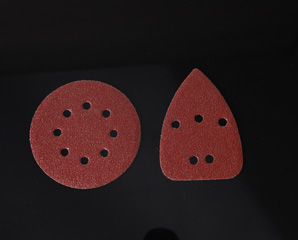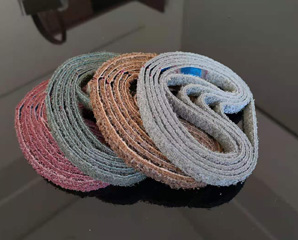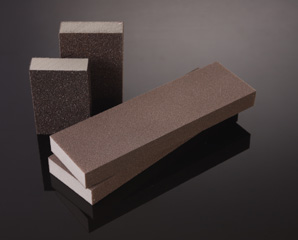
Preparing a metal surface for coating, welding, or further manufacturing requires more than simply removing visible dirt. Rust, oxidation, old coatings, weld residue, and surface contaminants can all affect the quality of subsequent operations. Selecting the appropriate abrasive is therefore an important part of industrial surface preparation.
Cleaning sanding discs are used in applications where removing unwanted surface materials and preparing the workpiece are more important than aggressive stock removal. However, cleaning discs and conventional grinding discs serve different purposes. Understanding their construction, working characteristics, and application requirements helps manufacturers and distributors choose the right abrasive for each task.
Cleaning sanding discs are abrasive products designed to help remove unwanted materials from workpiece surfaces. Depending on their construction, they may be used for cleaning oxidation, removing coatings, addressing rust, and preparing metal surfaces for subsequent processing.
In industrial environments, surface contamination can appear in several forms:
Rust and oxidation on metal components.
Paint and protective coating residues.
Dirt and accumulated surface contaminants.
Weld discoloration and certain surface residues.
Residual materials from previous manufacturing operations.
The appropriate abrasive depends on the material that needs to be removed and the condition of the underlying workpiece.
For example, removing loose surface contamination is different from grinding away substantial weld material. A cleaning-oriented abrasive should be selected when the objective is controlled surface preparation rather than significant material removal.
Buyers should also distinguish between conventional coated abrasive discs and non-woven surface conditioning products. Although both may be used in surface preparation, their abrasive structures and intended applications can differ considerably.

One of the most common mistakes in abrasive purchasing is treating cleaning, grinding, and surface conditioning as interchangeable processes.
Although these operations may take place on the same workpiece, they have different objectives.
| Abrasive Category | Primary Purpose | Typical Applications |
|---|---|---|
| Cleaning discs | Remove unwanted surface materials | Rust, coatings and surface contamination |
| Grinding discs | Remove material and modify workpiece geometry | Weld grinding, edge preparation and stock removal |
| Surface conditioning discs | Refine surfaces and create more consistent finishes | Blending, finishing and light surface preparation |
| Non-woven abrasive discs | Provide flexible abrasive contact for selected finishing tasks | Cleaning, blending and surface conditioning |
Cleaning focuses on removing unwanted materials while retaining the underlying workpiece as much as possible. The choice of abrasive should reflect the type and thickness of the contaminant.
Grinding is generally used when more substantial material removal is required. For example, removing excess weld material or correcting an edge may require a conventional grinding abrasive rather than a cleaning-oriented product.
Surface conditioning focuses on improving surface uniformity, blending transitions, and refining the appearance of a workpiece.
Choosing the correct category helps avoid unnecessary material removal and improves process consistency.
The construction of an abrasive disc influences how it interacts with the workpiece.
Three important factors are abrasive grain, backing structure, and abrasive density.
Different abrasive minerals offer different cutting characteristics. Aluminum oxide is commonly used in general-purpose coated abrasives, while silicon carbide is used in applications requiring different cutting and finishing properties.
The correct grain depends on the workpiece material and the desired result.
The backing provides support for the abrasive material. Paper, cloth, fiber, and other backing materials offer different mechanical characteristics.
For example, a fiber-backed abrasive disc may be suitable for certain demanding grinding applications, while flexible abrasive constructions may be more appropriate for surface finishing.
The arrangement and density of abrasive material affect how the disc contacts the workpiece. Non-woven abrasive products have an open fibrous structure that can provide flexibility and support selected cleaning and finishing applications.
This is particularly relevant when processing surfaces with varying contours or when the objective is to refine rather than aggressively remove material.
Buyers should evaluate the complete abrasive construction instead of relying solely on product names or grit numbers.
Different surface contaminants require different removal strategies. Selecting one abrasive product for every cleaning task may lead to inconsistent results.
| Surface Condition | Main Processing Objective | Selection Consideration |
|---|---|---|
| Loose rust | Remove corrosion products | Consider a suitable cleaning abrasive |
| Surface oxidation | Remove unwanted oxide layers | Match abrasive aggressiveness to the underlying material |
| Old paint or coatings | Remove coating residues | Consider coating thickness and substrate sensitivity |
| Weld discoloration | Improve the appearance of affected areas | Evaluate suitable surface conditioning abrasives |
| Excess weld material | Remove substantial metal material | Consider a conventional grinding disc |
| Surface scratches | Refine the surface appearance | Select an appropriate finishing abrasive |
For example, cleaning light oxidation from a metal component does not necessarily require the same abrasive as removing a substantial weld bead.
Similarly, removing an old coating from a thin metal panel requires more attention to substrate protection than grinding a heavy structural component.
Before selecting a disc, operators should identify the contaminant, assess the workpiece material, and determine whether the objective is cleaning, material removal, or finishing.
This simple decision process can help prevent unnecessary surface damage.
Even when the correct abrasive category has been identified, several purchasing and operational mistakes can reduce the effectiveness of surface preparation.
Grinding discs are designed for material removal. Using them for delicate cleaning operations may remove more base material than necessary.
Thin sheet metal and heavier steel components have different processing requirements. Abrasive selection should account for the risk of damaging or deforming the substrate.
Abrasive products should be evaluated according to their intended application, construction, compatibility, and actual working results. The lowest purchase price does not necessarily provide the best overall value.
Disc diameter, mounting configuration, machine compatibility, and operating instructions should be confirmed before purchasing.
When changing abrasive suppliers or introducing a new disc type, buyers should evaluate samples under actual working conditions. Testing helps identify whether the product delivers the required surface condition without unnecessary material removal.
For industrial distributors, understanding these selection factors also makes it easier to recommend appropriate products to customers in metal fabrication, automotive repair, and general manufacturing.
Selecting the right cleaning sanding discs requires understanding the difference between cleaning, grinding, and surface conditioning.
Cleaning products are intended for removing unwanted surface materials, conventional grinding discs are used for more substantial material removal, and surface conditioning abrasives help refine and improve surface consistency.
The best choice depends on the workpiece material, the type of contamination, the required surface condition, and the equipment being used.
For industrial buyers and distributors, evaluating abrasive construction and application compatibility before bulk purchasing can help reduce selection mistakes and establish a more consistent surface preparation process. RMC Abrasives offers different coated and non-woven abrasive products for industrial applications, allowing buyers to compare suitable options according to their processing requirements.
Cleaning sanding discs are used in selected surface preparation applications to remove rust, oxidation, paint residues, and other unwanted surface materials. The appropriate disc depends on the workpiece and contaminant.
Cleaning discs focus on removing unwanted surface materials, while grinding discs are generally designed for more substantial material removal, such as weld grinding and edge preparation.
Yes. Non-woven abrasive discs are used in various cleaning, blending, and surface conditioning applications. Their suitability depends on the abrasive construction and the workpiece requirements.
Suitable cleaning abrasives may help remove certain surface contaminants and oxidation from stainless steel. However, product selection and working procedures should account for the stainless steel grade and the required surface finish. Dedicated stainless steel-compatible abrasives should be used to avoid cross-contamination.
Buyers should identify the workpiece material, type of contamination, required surface finish, disc dimensions, and machine compatibility. Testing samples before bulk orders is also recommended.
Silicon Carbide Sanding Belts for Glass: Abrasive Selection, Surface Quality and Process Considerations
How to Evaluate Flap Disc Manufacturers: Quality Control, Product Consistency and OEM Capabilities
Cleaning Sanding Discs vs. Grinding Discs: How to Choose the Right Abrasive for Surface Preparation
 EN
 ko
 fr
 de
 es
 it
 ru
 vi
 th
 pl
 pt