Maintaining the structural integrity and professional appearance of metallic surfaces is a constant operational challenge in commercial facilities, heavy manufacturing plants, and hospitality settings. Among various architectural and equipment metals, chromium plating—commonly known as chrome—is widely selected for industrial fixtures, hydraulic rams, handrails, and commercial vehicular accents due to its exceptional corrosion resistance and high-luster appeal.
However, when exposed to harsh manufacturing environments, chemical off-gassing, high humidity, or coastal air, chrome surfaces inevitably succumb to severe oxidation, environmental tarnish, and localized surface rust. If treated with aggressive, coarse abrasives or unyielding grinding discs, the ultra-thin chrome layer can easily be permanently gouged, exposing the vulnerable base metal underneath to rapid structural failure.
To resolve this industrial bottleneck without scratching the surface, professional maintenance teams rely on an engineered mechanical conditioning solution. Utilizing a premium, super-fine carbon steel wool pad allows operators to slice through stubborn surface tarnish and rust scaling smoothly, fully restoring the original metallic luster and mirror-like shine while preserving the underlying substrate geometry.
To safely execute chrome restoration on high-value industrial fixtures, maintenance managers must understand the physical characteristics of chromium plating. Chrome is not a solid block of metal; it is an incredibly thin layer of chromium electroplated over a base substrate like brass, steel, or molded plastics. While exceptionally hard, this exterior layer is microscopically porous.
Over time, moisture, atmospheric oxygen, and chemical airborne contaminants penetrate these microscopic pores, causing the underlying base metal to oxidize. As the base metal rusts, the corrosion expands outward, pushing through the plating to manifest as unsightly surface rust spots, pitting, and a dull, cloudy haze known as tarnish.
When confronted with heavily oxidized chrome, maintenance personnel frequently make two costly errors:
Over-Reliance on Chemical Solvent Dips: Relying on aggressive acid-based rust dissolving chemicals can be highly toxic to the operator, requires complex ventilation infrastructure, and creates hazardous liquid waste streams. Furthermore, if left on the fixture even a few minutes too long, corrosive acids can eat straight through the plating, ruining the component permanently.
Using Rigid Coated Abrasives: Standard sandpaper, abrasive sanding belts, and rigid grinding wheels exert unyielding, highly concentrated pressure. Applying these aggressive tools to a delicate chrome plating creates deep, permanent scratch patterns that destroy the aesthetic value and expose the raw underlying metal to accelerated environmental rust.
Transitioning to an engineered mechanical surface conditioning method solves these commercial pain points. Premium carbon steel wool provides a highly versatile, non-toxic, and physically controlled cleaning action that excels at polishing chrome for several key structural reasons:
Unlike a flat sandpaper sheet that concentrates force on a single point, a carbon steel wool pad is comprised of an interwoven, three-dimensional metallic web. This design acts as a natural shock absorber under hand pressure. When pressed against an irregular fixture, a curved handrail, or intricate pipe threads, the flexible pad deforms smoothly to wrap completely around the contour, diffusing the abrasive force evenly and preventing localized gouging.
When viewed under magnification, the individual strands of industrial carbon steel wool are not perfectly round; they feature sharp, multi-edged angular cross-sections. These edges act as thousands of microscopic scrapers. As the operator moves the pad across the chrome, these thousands of continuous metal filaments cleanly shear away raised rust blooms, calcified hard water scales, and embedded grit without biting into the harder chromium plating underneath.
When cleaning heavy surface contaminants combined with light maintenance oils or polishing pastes, standard abrasive papers quickly experience loading—where the debris clogs the face of the paper, rendering it useless. The open-mesh structure of carbon steel wool allows dislodged rust particles and swarf to pass straight through the structural web, keeping the working surface clean and maintaining constant, reliable contact with the metal.
Deploying mechanical abrasion on delicate electroplated substrates requires strict adherence to material grading. Because chromium layers are exceptionally thin, using an incorrect fiber diameter will cross the line from restorative polishing to destructive grinding. To maintain absolute surface integrity, procurement managers and maintenance supervisors must align their cleaning requirements with the 8 standardized industrial grades of carbon steel wool:
#0000 Super Fine (The Mirror-Finish Benchmark): The micro-filaments in this grade are engineered to be softer than tempered chromium plating but harder than surface tarnish, rust blooms, and hard water stains. This unique material property allows the #0000 fibers to effortlessly lift away cloudy residues and light environmental dullness without leaving a single trace of micro-scratching on high-polish fixtures.
#000 and #00 Medium Fine (Precision Maintenance): When maintenance loops involve removing slightly thicker oxidation layers, dried chemical splatters, or stubborn wax coatings from industrial controls, transitioning to these slightly firmer grades provides the necessary cutting force while maintaining a very low surface scratch profile.
#0 Medium and #1 Coarse (Intermediate Maintenance): Coarser grades are strictly restricted to heavy-duty subsurface preparation where aesthetic plating is not present. These intermediate grades are designed for tasks like stripping grease from industrial tile grout lines, scrubbing porcelain, or preparing commercial linoleum floors.
#2, #3, and #4 Extra Coarse (Heavy Stripping): The heaviest grades feature thick, aggressive steel shards tailored for ripping away stubborn outdoor wood varnishes, scraping heavy iron castings, or stripping thick layers of structural paint and rust. Introducing these coarse filaments to plated chrome will instantly strip the chromium layer away, making grade discipline a critical factor in tool crib management.
To achieve a flawless, mirror-like reflection across high-traffic facilities based on the grade selections specified above, engineering teams must abandon haphazard scrubbing in favor of a synchronized, surface-safe protocol:
Pre-Cleansing Matrix: Before an operator touches a mechanical abrasive, the metal fixture must be washed down with a neutral surfactant. This immediate step suspends raw dust, external road grit, and ambient grease, ensuring that hard silica particles do not get dragged across the delicate chromium plating during subsequent steps.
Lubrication Cushioning: While working dry is highly effective for heavy scaling, applying a premium metal polishing cream or thin penetrating oil directly to the surface is the benchmark for high-gloss finishes. The fluid barrier acts as a suspension layer, holding dislodged rust micro-particles away from the base metal.
Linear Frictional Abrasion: Compressing a premium #0000 Super Fine pad into a comfortable palm size, the technician guides the tool back and forth using smooth, unidirectional strokes rather than aggressive circular grinding. The multi-edged continuous metal filaments cleanly shear through raised rust blooms without digging into the harder chromium plating below.
Slurry Clearing & Evaluation: Periodically stripping away the accumulated metal slurry with a clean microfiber cloth allows for real-time visual inspection. The cloudy tarnish rapidly vanishes, exposing the brilliantly restored mirror finish underneath.
Micro-Pore Sealing: Because environmental corrosion stems from the underlying base metal rusting through microscopic surface pores, finishing the job requires applying a commercial synthetic polymer sealant or hard metal wax. This barrier blocks out atmospheric humidity and air to stop future rust patterns before they can form.
Sustaining this green, highly productive MRO cycle across multiple manufacturing facilities demands a reliable supply of consistent, top-tier consumables. Lower-grade steel fibers frequently suffer from brittle composition and irregular diameters, resulting in rapid strand shattering that leaves metallic dust in high-precision machinery and drives up your total consumable expenditures.
Operating as a premier, vertically integrated manufacturer with German-engineered automated production lines and a specialized R&D institute, RMC Abrasives redefines structural cost efficiency for industrial distributors and large-scale buyers. Our industrial capabilities span from the specialized conversion of giant jumbo rolls of emery cloth down to individual workshop component kits.Procurement managers looking to standardize their tool cribs and eliminate supply bottlenecks are encouraged to explore our full wholesale abrasive product lines to procure highly reliable grading, premium tensile strength, and versatile cross-industry performance that keeps downstream operations moving forward.
Restoring heavily tarnished and rusted industrial chrome does not have to involve volatile chemical solvents or aggressive grinding methods that risk permanent damage. By pairing a highly flexible, three-dimensional metallic web with an advanced multi-edged shearing action, premium carbon steel wool provides the ultimate mechanical alternative for professional maintenance operations.
Utilizing the super-fine #0000 grade allows your maintenance technicians to slice through localized rust blooms, stubborn water scale, and surface cloudiness entirely safely, returning expensive fixtures to a brilliant mirror-like finish. Integrating high-quality carbon steel pads into your facility's standard maintenance cycles enables your operation to reduce component replacement expenses, optimize daily labor hours, and uphold premium environmental and material finish standards.
Ready to optimize your facility's surface maintenance program? Reach out to the technical sales team at RMC Abrasives today to discuss your industrial application requirements or to request a customized sample kit.
Extreme care must be taken with plastic chrome. Because electroplated plastic features a much softer, thinner chromium layer than metal-backed fixtures, you must strictly use the super-fine #0000 grade of carbon steel wool combined with a high-quality liquid polishing lubricant, applying very light pressure to avoid wearing through the plating.
Sandpaper features an unyielding cloth or paper backing that concentrates force on a very narrow contact zone, creating flat spots and deep lines on curved surfaces. The loose, woven configuration of carbon steel wool cushions the pressure evenly, allowing the pad to flex and conform perfectly around round handrails and cylindrical fixtures for a seamless finish.
To optimize inventory tracking and ensure convenience for high-volume users on busy shop floors, RMC offers standardized packaging where each bag contains 12-16 perfectly sized carbon steel wool pads designed for immediate, easy hand use without any tedious cutting or measuring required.
Low-grade, brittle steel wool is prone to fracturing and dropping tiny metal fragments everywhere. RMC's premium carbon steel pads are engineered from high-tensile metal fibers that resist breaking apart under rigorous conditions, keeping the workspace remarkably clean and ensuring the structural integrity of the pad stays intact throughout its life.
Because carbon steel is an iron-based alloy, it will begin to oxidize (rust) if left damp over long periods. If you use a pad with water or water-based lubricants, squeeze the excess moisture out thoroughly after use and store it in a dry, well-ventilated area, or dedicate that specific pad for rapid single-shift disposal to maintain pristine finishing standards.
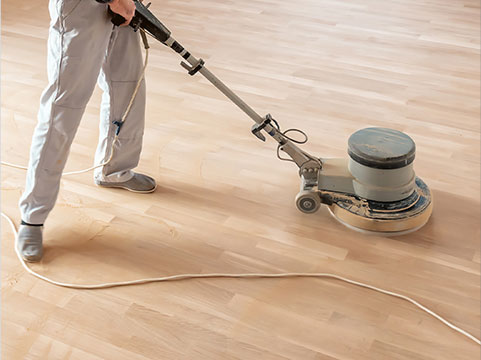
How Non Woven Grinding Discs Deliver Uniform Surface Finishes while Preserving Material Integrity
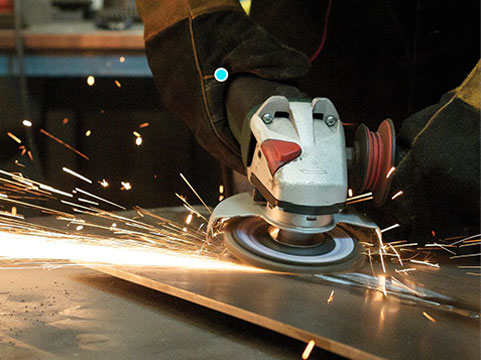
When Sandpaper Pads Fail: Understanding Common Causes of Poor Sanding Performance
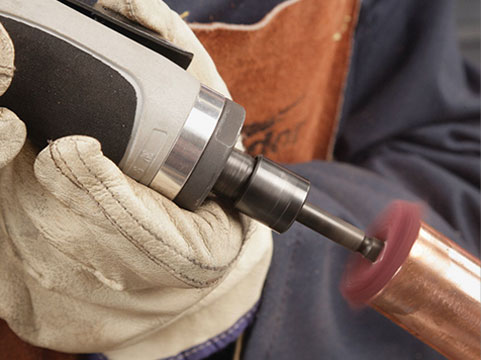
Avoiding Common Mistakes When Choosing and Using Steel Wool Abrasives for Surface Finishing
 EN
EN
 ko
ko  fr
fr  de
de  es
es  it
it  ru
ru  vi
vi  th
th  pl
pl  pt
pt