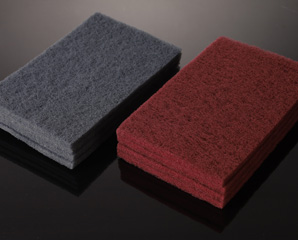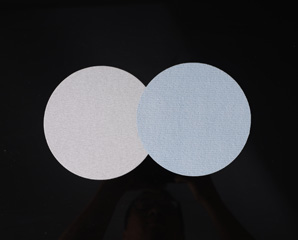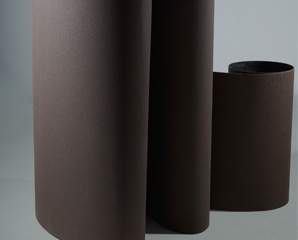
In modern metal fabrication, the transition from a raw, welded joint to a flawless, paint-ready surface requires absolute precision. Whether you are working on stainless steel food processing equipment, aerospace components, or high-end architectural panels, aggressive grinding can easily gouge the metal, ruin the workpiece geometry, and escalate scrap costs.
To bridge the gap between heavy stock removal and final surface conditioning, precision fabricators rely on a specialized solution. A non-woven quick change disc offers the perfect balance of controlled cut and consistent surface finishing, making it the ultimate tool for precision weld blending.
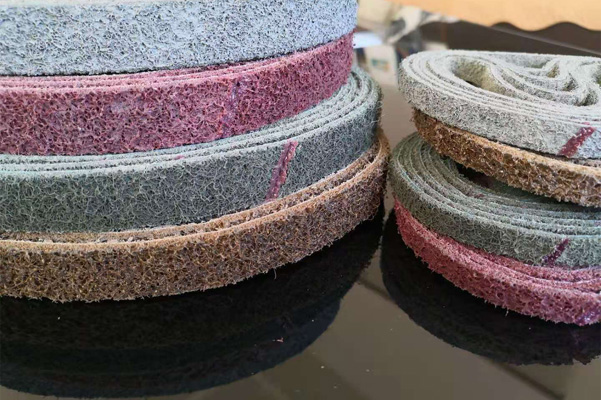
To understand why a non-woven quick change disc excels at weld blending, one must look at its structural anatomy. Traditional coated abrasives, such as standard grinding wheels or fiber discs, feature a flat backing layer coated with a dense, rigid layer of abrasive minerals. While excellent for knocking down heavy weld beads, their rigid nature makes them highly unforgiving on contoured surfaces or thin-gauge sheet metal.
In contrast, a non-woven quick change disc utilizes a three-dimensional web of nylon fibers. These fibers are thoroughly impregnated with premium abrasive grains—such as Aluminum Oxide or Silicon Carbide—and securely bonded together with high-strength synthetic resins.
This unique structural design provides two distinct manufacturing advantages:
The Controlled Cushioning Effect: The open, spring-like nylon web acts as a natural shock absorber. When an operator applies pressure during weld blending, the disc conforms effortlessly to irregular contours, fillet welds, and tight corners. This flexibility prevents the tool from flat-spotting or gouging the parent material, ensuring the original geometry of the workpiece remains completely intact.
Continuous Mineral Exposure: As the nylon fibers gradually wear away during operation, fresh, sharp abrasive grains are continuously exposed to the working surface. This self-sharpening mechanism eliminates the sudden drop-off in cutting performance common to traditional sandpaper, delivering a highly uniform satin or linear finish from the first minute of use to the very last.
B2B manufacturing facilities, metal fabrication shops, and Maintenance, Repair, and Operations (MRO) departments frequently encounter costly surface preparation challenges. Integrating a high-quality non-woven quick change disc into your production workflow directly addresses these industrial pain points:
When grinding heat-sensitive metals like stainless steel, titanium, or aluminum, excessive friction rapidly leads to thermal distortion, warping, and unsightly blue-brown heat discoloration. The porous, open-web architecture of a non-woven quick change disc allows cooling air to circulate constantly through the contact zone. By drastically lowering surface temperatures, it eliminates the need for time-consuming post-grinding rework to fix burn marks.
When working with softer alloys or metals covered in light oils, primers, or zinc coatings, traditional grinding discs quickly clog up as debris gets trapped between the abrasive grains. Because the nylon mesh of a non-woven quick change disc features large internal gaps, dust and swarf pass straight through the structural web rather than building up on the disc face. This loading resistance extends the usable life of the tool and ensures uninterrupted cutting efficiency.
Coated abrasive discs often leave deep, wild spiral marks (commonly known as pigtails) that are incredibly difficult to polish out before painting or anodizing. The multi-directional fiber alignment in a non-woven quick change disc diffuses the cutting force across a broader micro-surface. This results in a highly blended, visually appealing brushed or satin finish that drastically shortens subsequent polishing steps.
In a high-throughput industrial environment, machine downtime is a direct drain on profitability. Traditional abrasive changeovers—which involve searching for wrenches, locking flanges, and manually tightening nuts—can waste valuable minutes every hour, especially when shifting between different grits or moving from a heavy grinding wheel to a fine finishing pad.
A non-woven quick change disc completely redefines this workflow through a tool-free fastening mechanism (such as a turn-on/turn-off button system or a twist-lock layout).
Unmatched Speed: Operators can swap out a spent disc or switch from a coarse surface conditioning grade to an ultra-fine finishing grade in under 3 seconds with a simple twist of the wrist.
Reduced Operator Fatigue: The quick change design utilizes lightweight, compact backing pads that fit seamlessly onto pneumatic right-angle die grinders and small electric sanders. This compact form factor allows operators to maneuver into narrow gaps, internal pipe diameters, and complex enclosures with maximum control and minimal physical strain.
To select the ideal tool for your specific metalworking applications, it is vital to understand where non-woven quick change systems sit within the wider abrasive taxonomy.
The table below outlines how a non-woven quick change disc compares to alternative abrasive formats during precision weld blending and surface conditioning tasks:
| Abrasive Format | Primary Function | Cut Aggressiveness | Surface Finish Quality | Risk of Base Metal Damage | Tool Changeover Speed |
|---|---|---|---|---|---|
| Rigid Grinding Wheels | Heavy weld bead leveling | Extremely High | Very Rough (Deep Scratches) | Very High | Slow (Requires Wrenches) |
| Coated Flap Discs | Stock removal & rough blending | High to Moderate | Moderate | Moderate to High | Slow to Moderate |
| Non-Woven Quick Change Disc | Precision weld blending & conditioning | Moderate to Low | Excellent (Uniform Brushed/Satin) | Extremely Low | Extremely Fast (3 Seconds, Tool-Free) |
| Wire Brushes | Surface rust & scale removal | Very Low | Scratched / Irregular | Low to Moderate | Slow |
The versatility of the non-woven quick change disc makes it an indispensable asset across a diverse spectrum of strict, high-spec industries:
Food and Pharmaceutical Processing: Stainless steel storage vessels and piping must adhere to rigid surface roughness (Ra) standards to prevent bacterial growth in microscopic crevices. Fabricators utilize these non-woven discs to blend TIG welds down smoothly, achieving precise, repeatable Ra values while maintaining a flawless sanitary finish.
Aerospace and Defense: Precision components require de-burring and edge-breaking without altering the critical dimensional tolerances of machined parts. The cushioned contact of non-woven web ensures that operators can remove micro-burrs safely without altering part geometry.
Automotive Refinishing & MRO: Ideal for cleaning up spot welds, removing light scale around newly repaired joints, and scuffing E-coats or primers before applying the final automotive paint layers.
Achieving a truly elite surface finish requires premium materials engineered to industrial standards. As a world-class manufacturing specialist with advanced automated production lines imported from Germany and an independent R&D center, RMC Abrasives produces a comprehensive lineup of surface treatment solutions designed to optimize your shop floor efficiency.
Beyond our high-performance quick change options, we manage an extensive manufacturing chain that spans from large jumbo rolls of emery cloth and sandpaper down to specialized conversion products. To build a complete, end-to-end surface preparation workflow and explore our full capabilities, you can discover different types of abrasives wholesale directly through our primary catalog.
By choosing RMC, you gain direct access to consistent mineral grading, high resin thermal stability, and exceptional edge durability that keeps your production lines moving faster.
When it comes to precision weld blending, the goal is never just to grind down metal—it is to refine it efficiently. Traditional rigid abrasives certainly have their place for heavy, structural material removal, but they lack the delicate control needed for high-value surface finishing.
By blending an ultra-flexible 3D nylon web with a rapid, tool-free fastening design, the non-woven quick change disc stands out as the ultimate choice for modern fabrication facilities. It eliminates common defects like gouging, loading, and heat discoloration while slashing changeover downtime down to mere seconds. Upgrading to a premium non-woven workflow ensures that your shop floor can reduce scrap rates, optimize operator efficiency, and consistently deliver professional, market-ready surface quality.
Ready to upgrade your surface conditioning performance? Contact the engineering team at RMC Abrasives today to request technical guidance or order your customized industrial sample kit.
A standard sanding disc features a single flat layer of abrasive grains on a rigid paper, cloth, or fiber backing, making it highly aggressive and prone to gouging. A non-woven quick change disc utilizes a flexible, three-dimensional nylon fiber matrix that cushions the abrasive action, prevents base metal damage, and allows for simultaneous blending and finishing.
In industrial non-woven grading systems, colors typically denote the coarseness of the disc. Brown/Maroon discs are usually Coarse/Medium grades designed for weld blending and heavy scale removal. Green/Blue discs represent Fine grades for light cleaning and blending, while Grey discs are Ultra-Fine grades meant for final satin polishing and decorative finish matching.
No. These discs are engineered specifically for precision weld blending, surface conditioning, and removing machine marks. For a massive, protruding weld bead, you should first level the heavy stock using a rigid grinding wheel, a coated flap disc, or a heavy-duty industrial belt, and then use the non-woven disc to blend the joint seamlessly into the surrounding metal.
Yes, they are highly effective on non-ferrous metals. Because aluminum has a low melting point and is highly prone to "loading" (clogging), the open-web design of a non-woven quick change disc prevents the soft aluminum swarf from melting onto the disc face, maintaining a cool, clean cut.
These discs are designed to lock onto a corresponding rubber or plastic backup pad attached to a high-speed right-angle die grinder or pneumatic sander. They typically use a simple twist-on fastening system (similar to Roloc designs), allowing operators to mount or remove the disc in roughly 3 seconds without any special wrenches or keys.
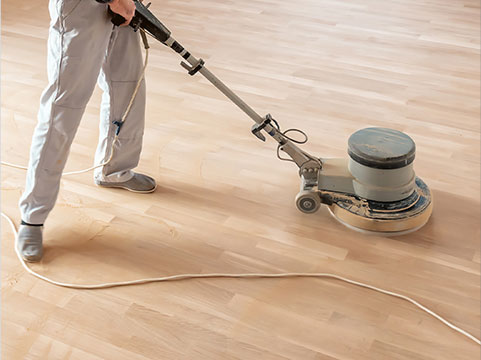
How Non Woven Grinding Discs Deliver Uniform Surface Finishes while Preserving Material Integrity
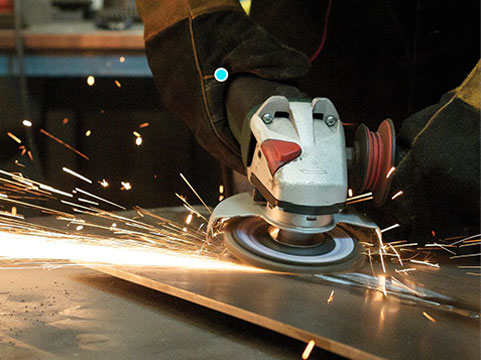
When Sandpaper Pads Fail: Understanding Common Causes of Poor Sanding Performance
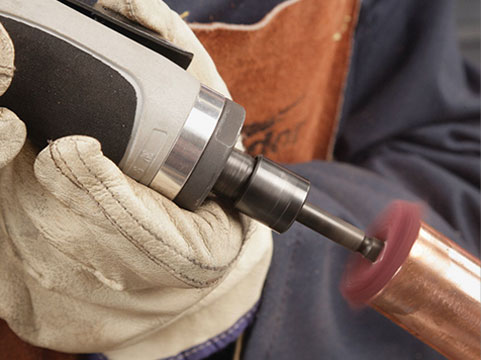
Avoiding Common Mistakes When Choosing and Using Steel Wool Abrasives for Surface Finishing
 EN
EN
 ko
ko  fr
fr  de
de  es
es  it
it  ru
ru  vi
vi  th
th  pl
pl  pt
pt